
World Champions
1x The Finals
The Problem
Most grassroots esports teams do not fail because they lack talent. They fail because they lack structure.
They overspend early. They copy bigger brands. They chase hype instead of sustainability.
I started NTMR because I believed you could build a competitive esports organization differently. One that was disciplined, identity driven, and built to last.
I handle roster decisions, contracts, budgeting, brand direction, partnership outreach, and long term strategy. In the early days, I was also doing logistics, travel planning, pitch decks, and late night problem solving.
Build a competitive esports organization from nothing.
No investors. No guaranteed revenue. No safety net. Just belief, structure, and discipline.
The goal was simple. Compete at a high level in North America while staying financially sustainable.
Brand First
I did not want NTMR to feel generic. The brand had to mean something. The identity revolves around fear, resilience, and the underdog mentality. The skull, the purple, and the tone are meant to feel intense but controlled. Brand consistency became a priority early. If we were going to be small, we were at least going to be intentional.
Smarter Roster Building
Instead of chasing expensive names, I focused on high upside talent, team chemistry, players who were hungry, and contracts that aligned incentives. Compensation balanced base salary with prize splits and revenue shares. That structure allowed us to reward performance without putting the organization at risk.
Financial Discipline
This is where most teams fall apart. Every month had a clear budget. Every bootcamp had to justify itself. Every salary structure had to make sense long term. That discipline allowed NTMR to compete at a top level in North America while staying operational.
Performance & Credibility
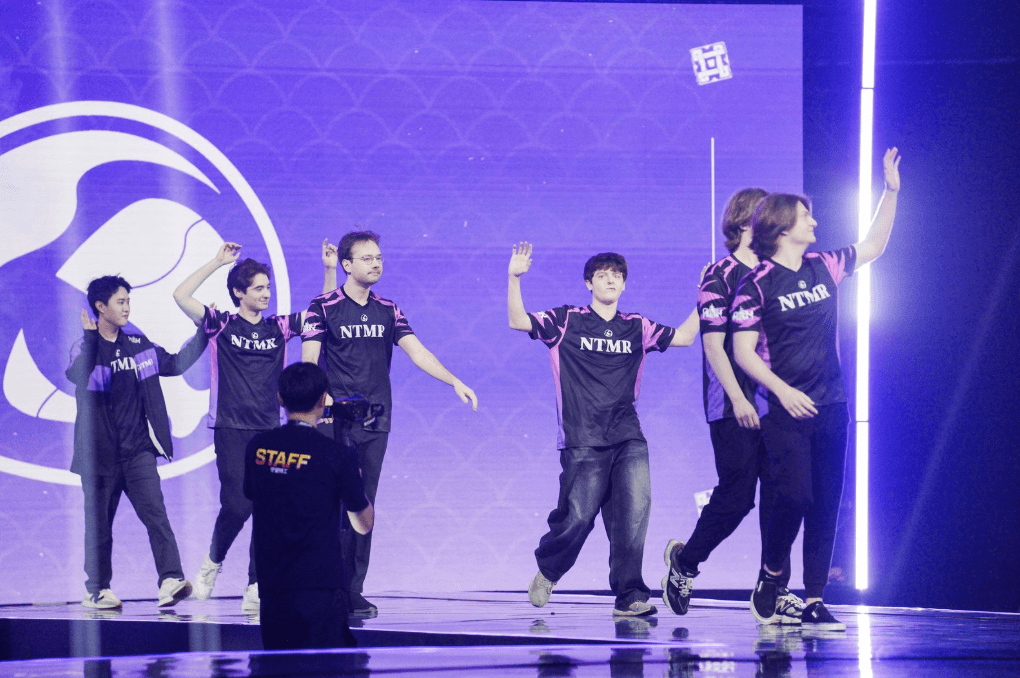
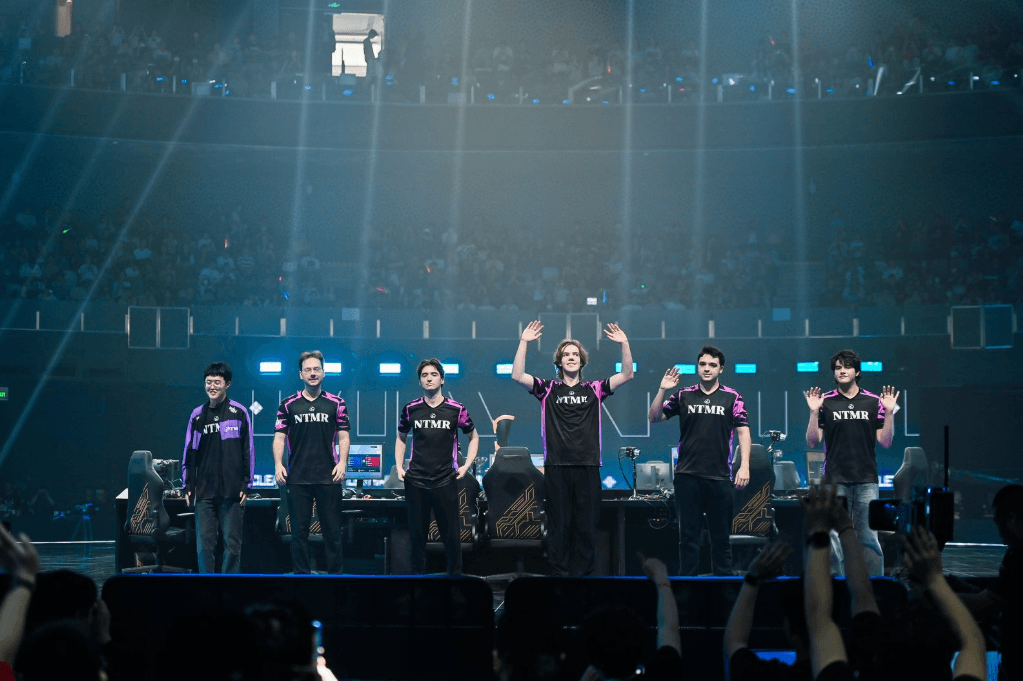
Results matter. NTMR competed in major circuits like OWCS and international qualifiers, earning strong placements and recognition beyond being just another organization. Competitive legitimacy gave the brand weight.
Positioning for the Future
Instead of waiting for opportunities, I built toward them. That meant structured sponsorship tiers, partnership decks, exploring publisher programs, and multi title expansion planning. NTMR is not just a team. It is infrastructure in progress.
- Competitive ecosystem research
- Financial modeling and budget tracking
- Contract structuring
- Brand strategy and identity design
- Partnership outreach and negotiation
- Performance driven incentive systems
This was not a mock project. The deliverable was real:
- A functioning esports organization
- Signed player contracts
- Operational salary structures
- Sponsorship framework
- Competitive results
- Multi title expansion roadmap
NTMR became proof that structure and discipline can compete without venture capital.
- A recognizable brand
- A respected competitive presence
- A financially controlled operation
- A foundation for long term scaling
- Managing strong personalities under pressure
- Balancing ambition with financial limits
- Leading without guaranteed outcomes
Leadership in esports is not just about winning. It requires emotional control, financial realism, clear communication, protecting culture, and making hard decisions early. Building NTMR taught me more about responsibility and long term thinking than any classroom project could.
Sustainability is a competitive advantage.
Building something real, even slowly, is better than building something flashy that collapses.
And NTMR is still growing.